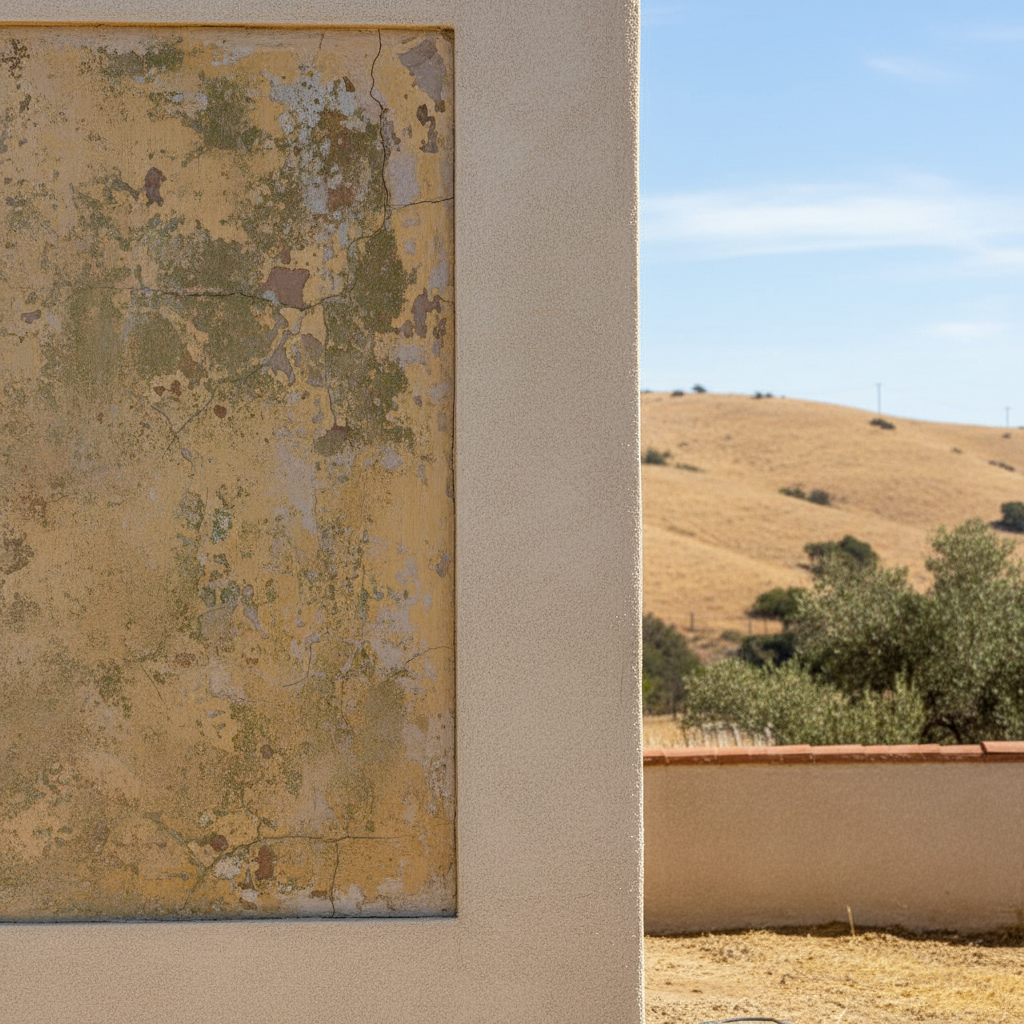
So, you've decided to get rid of that old stucco. Maybe it's seen better days, maybe you're going for a different look, or perhaps it's just time for a fresh start. Whatever your reason, once you make that call, the next big question pops up: how do we actually get this stuff off your house?
There are two main ways to remove stucco. I've personally seen both methods used here in Soledad, from the older homes near Main Street to the newer developments on the west side. Each one has its good points and bad points, especially when you think about our local conditions—those dry, hot summers and the occasional strong winds. Let's dig into the options: abrasive blasting and manual chipping.
Abrasive Blasting: Quick, But Messy
When I talk about abrasive blasting, most folks immediately think 'sandblasting,' and that's usually what we mean. It's a method where we use high-pressure air to shoot abrasive materials – often sand, but sometimes glass beads or other media – at the stucco surface. The whole idea is to literally blast the stucco right off the wall.
The Good Stuff:
- Speed: This is, hands down, the fastest way to remove stucco. A crew can strip a whole house in a fraction of the time it would take to chip it by hand. If you're on a tight schedule, that's a huge plus.
- Thoroughness: Blasting can reach into all the nooks and crannies, often taking the stucco right down to the sheathing or framing. That leaves a very clean surface for whatever comes next.
The Not-So-Good Stuff:
- Cost: Blasting equipment is specialized, and it takes skilled operators to use it. This method is usually more expensive upfront than just removing it by hand.
- Mess: Oh man, the mess. Even with extensive containment, you're going to have abrasive material and stucco dust everywhere. We're talking about a fine, gritty powder that just seems to get into everything. Your landscaping, your neighbor's car, your attic vents – it's a real cleanup challenge. In our dry climate, that dust can travel for blocks if we don't manage it properly.
- Damage Risk: If someone inexperienced handles the blasting, it can damage the underlying sheathing, windows, or even the framing. It takes a delicate touch to remove the stucco without gouging the wood underneath. You also have to be really careful with lead paint if your house is older; blasting can aerosolize it, creating a serious health hazard.
- Permits & Regulations: Because of all that dust and the potential for lead, you might need more stringent environmental regulations and permits for blasting. That just adds to the complexity and cost.
Manual Chipping: Slower, But Controlled
Manual chipping is exactly what it sounds like: using hammers, chisels, and sometimes electric chipping hammers to physically break and pry the stucco off the wall. It's old-school, sure, but it's still a very common and effective method.
The Good Stuff:
- Control: This is the biggest advantage, no question. A skilled worker can carefully remove the stucco without damaging the underlying structure. This is super important if you're planning to re-stucco or install new siding, because a clean, undamaged substrate is key.
- Less Mess: While it's still dusty, the mess is much more localized and manageable than blasting. The stucco comes off in chunks, not a fine powder that floats everywhere. Cleanup is generally easier.
- Cost: Often, the labor cost for chipping can be less than the specialized equipment and containment you'd need for blasting, especially for smaller jobs.
- No Lead Paint Hazard (usually): If lead paint is present, chipping it off in larger pieces significantly reduces the airborne lead dust compared to blasting.
The Not-So-Good Stuff:
- Time: This is the main drawback. Chipping takes a lot longer. It's labor-intensive, and depending on the size of your home, it can add days or even weeks to the project timeline.
- Physical Labor: It's hard work, plain and simple. You need a crew that's really up to the task and knows what they're doing.
- Inconsistent Removal: Sometimes, especially with very old or thick stucco, it can be tough to get every last bit off cleanly. That might leave some residue that needs extra prep for the next finish.
So, What's My Recommendation for Soledad Homeowners?
For most homeowners in Soledad, unless you're under an extreme time crunch, I almost always recommend manual chipping. Here's why:
First, the control. You really don't want to risk damaging your home's structure just to save a day or two, do you? Especially with our older homes here, you never know what you're going to find under that stucco. A controlled removal process lets us react to any surprises without causing more problems.
Second, the mess. Our dry climate means dust travels far and wide. Blasting creates a huge environmental headache, not just for your property but for your neighbors too. Chipping keeps things much more contained and makes cleanup a lot easier for everyone involved.
Third, the cost difference often isn't as dramatic as you might think once you factor in all the hidden costs of blasting – things like the extensive containment, the specialized permits, and the intensive cleanup. With Charis Stucco, we'll give you a clear breakdown for both options so you can see exactly what you're getting into.
Ultimately, the best approach depends on your specific situation, the condition of your existing stucco, and what you plan to do next. But for a clean, controlled, and less disruptive removal process that protects your home and your neighborhood, chipping is usually the way to go.