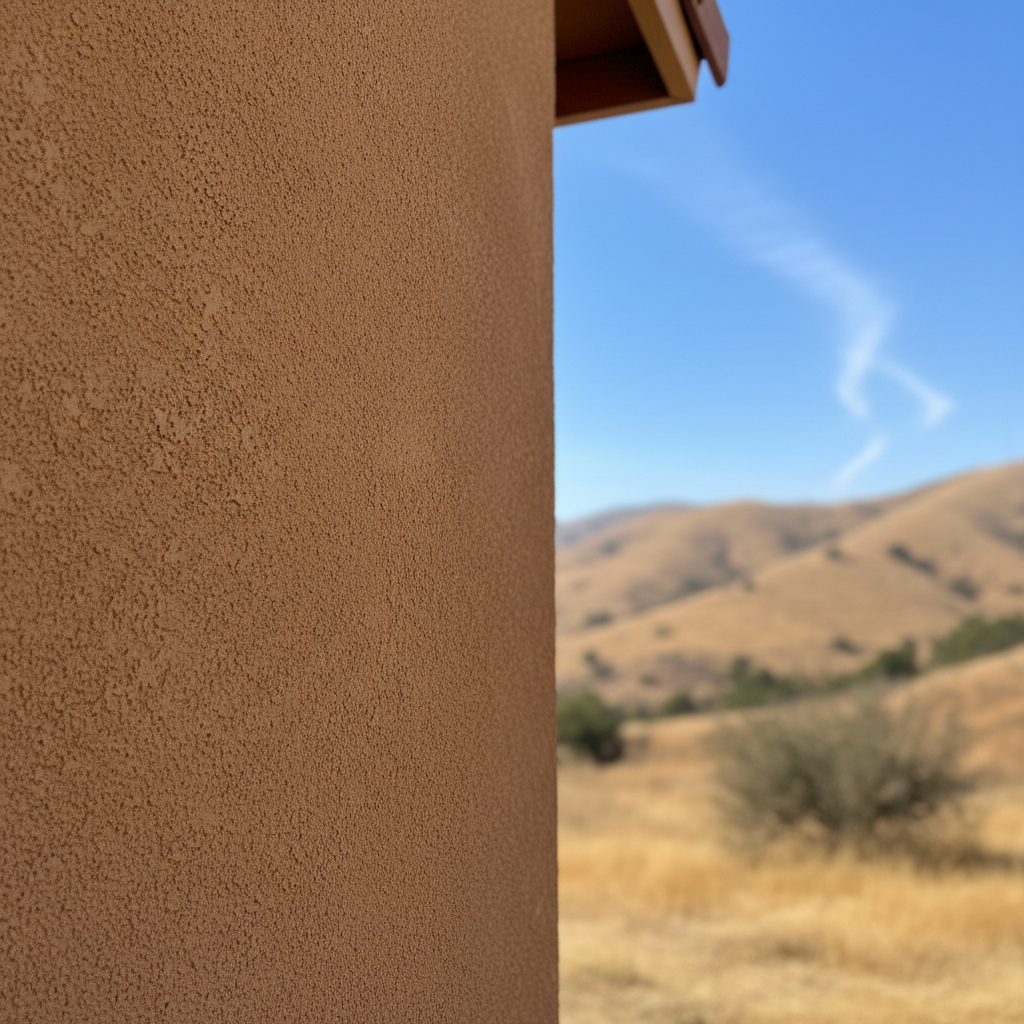
Do I really need to clean my stucco before painting it?
Absolutely, you do. This isn't just some extra step we throw in to pad the bill; it's absolutely critical for a paint job that actually lasts. Think about it: your stucco, especially here in Soledad, takes a real beating from dust, dirt, and even those occasional heavy rains we get in the winter. If you just paint over all that grime, the paint won't actually stick to the stucco itself; it'll just stick to the dirt. That means it'll peel, flake, and generally look terrible a lot sooner than it should. We usually power wash it, but not so hard that we damage the stucco, of course. It's about getting it clean, not stripping it bare. Sometimes, if there's a lot of mildew or algae, we'll even use a special cleaning solution. It's all part of making sure the paint has a clean, solid surface to really bond with.
What kind of paint should I use for stucco? Can I just use regular exterior house paint?
No, you really can't just use any old exterior paint. Stucco needs specific types of paint because it's a porous, masonry surface that breathes. You need a high-quality elastomeric paint or a 100% acrylic latex paint made for masonry. Elastomeric paints are great because they're flexible; they can stretch and bridge those tiny hairline cracks, which is super important for stucco that naturally expands and contracts with our temperature swings here in the valley. They also offer excellent waterproofing. Acrylic latex paints are also a good choice because they're breathable, durable, and resist fading. Whatever you do, don't go for oil-based paints; they don't let the stucco breathe, trapping moisture and leading to bigger problems down the road. Spend the money on good quality paint; it'll save you a lot of headaches and repainting costs in the long run.
How long does stucco paint typically last in our climate?
That's a great question, and it really depends on a few things: the quality of the paint, how well the surface was prepped, and the local conditions. With a good quality elastomeric or 100% acrylic paint and proper prep work, you can expect your stucco paint job to last anywhere from 10 to 20 years. Here in Soledad, we get a lot of sun exposure, especially on south and west-facing walls, which can make colors fade faster. The dry, dusty conditions can also contribute to wear and tear. But if you've done your homework, cleaned it right, and used the right paint, you'll get a solid decade, usually more. I've seen Charis Stucco jobs still looking fresh after 15 years because we don't cut corners on the prep or the materials.
My stucco has some small cracks. Do I need to fix them before painting?
Yes, absolutely. Painting over cracks is like putting a band-aid on a broken bone – it might look okay for a minute, but it doesn't fix the real problem. Small hairline cracks can often be filled with an elastomeric caulk or a patching compound specifically made for stucco. Larger cracks or areas with significant damage will need proper stucco repair. If you don't fix them, moisture can get in behind the paint, leading to bigger issues like bubbling, peeling, or even structural damage to your home's sheathing. It's always best to deal with any stucco damage before you even think about opening a paint can. A good paint job starts with a sound surface, plain and simple.
What's the best time of year to paint stucco in Soledad?
The best time to paint stucco around here is usually in the spring or fall. You want moderate temperatures – not too hot, not too cold. Painting in the peak of summer, when it's 90+ degrees, can cause the paint to dry too quickly, leading to poor adhesion and an uneven finish. The paint won't have enough time to properly cure. On the flip side, painting when it's too cold (below 50°F) can also keep the paint from curing correctly and make it difficult to apply smoothly. Spring (April-May) and fall (September-October) usually offer those ideal conditions with mild temperatures and less chance of unexpected rain. You also want to avoid painting when it's windy, as that can kick up dust and debris onto your wet paint.
How many coats of paint does stucco usually need?
Typically, stucco needs two coats of paint. The first coat acts like a primer and gives a good base for the second coat. It helps seal that porous surface and makes sure you get an even color. The second coat then provides the full color, durability, and protection. Sometimes, if you're making a drastic color change – say, from a dark color to a very light one, or if the stucco is exceptionally porous or weathered – you might even need a third coat to get full coverage and a consistent finish. It's not about rushing; it's about making sure the job is done right, so it looks good and lasts.
Should I prime my stucco before painting?
Most of the time, yes, priming is a good idea, especially if it's new stucco, unpainted stucco, or if you're making a big color change. A good quality masonry primer will help seal the porous surface, improve paint adhesion, and ensure a more uniform finish. It can also help stop efflorescence (those white powdery salt deposits) from bleeding through your new paint. Some high-quality elastomeric paints are self-priming, meaning they have primer built into them, but even then, for the best results, a separate primer coat is often beneficial. It's an extra step, but it really pays off in how long your paint job lasts and how good it looks.